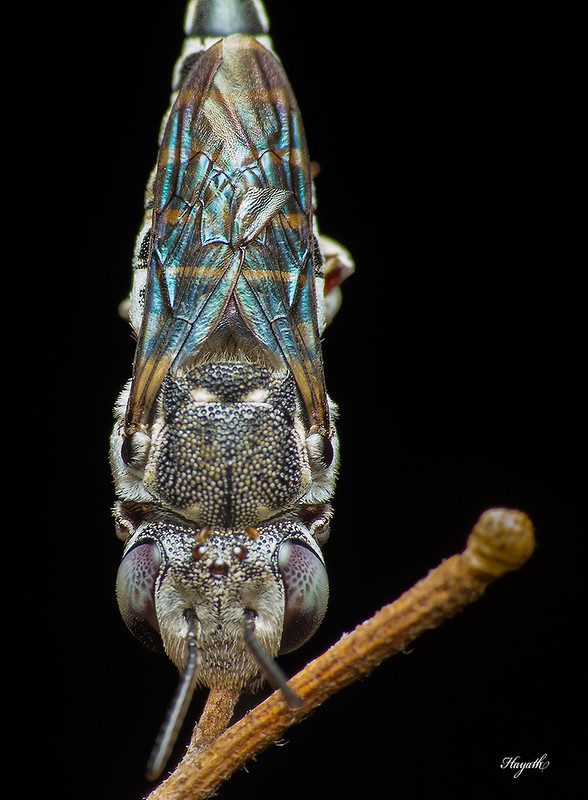
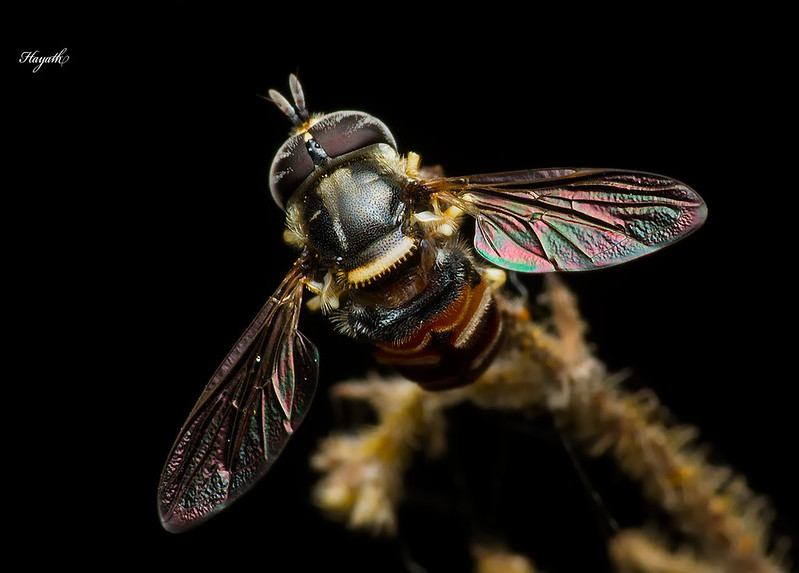
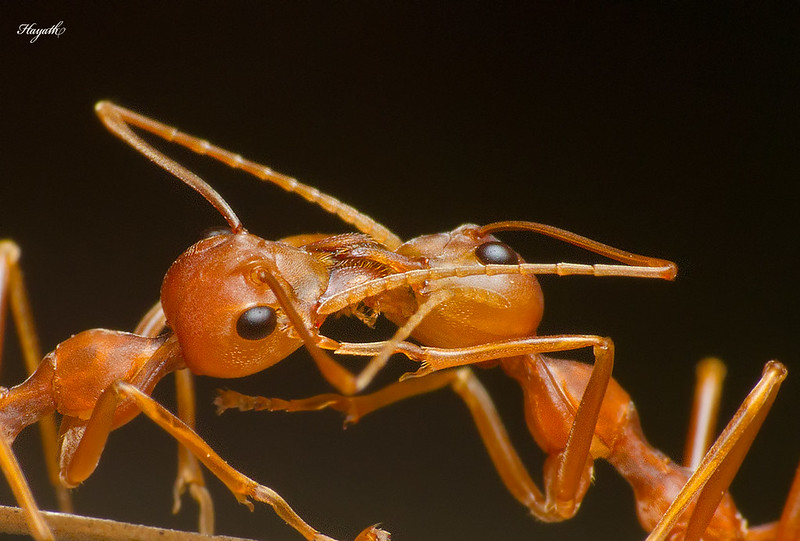
Thankful to be getting a lot of great feedback from different fora on macros, a lot of this has been due to openly shared knowledge and techniques by selfless folks.
Thought it would be only fair to keep "paying this forward"
Will try breaking down technique (or the lack of it :D ) -
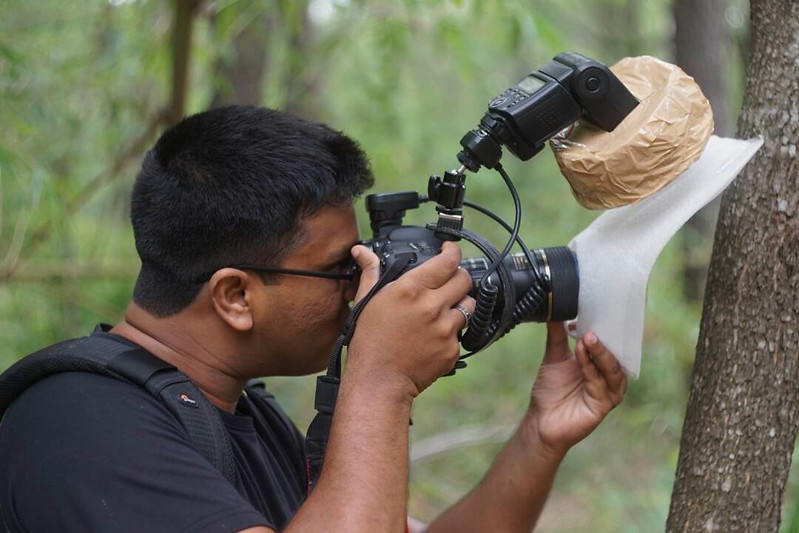
1. Magnification: The Zuik0 60mm on a MFT sensor provides decent magnification. However as needed I often add on an extension tube and Raynox DCR 250
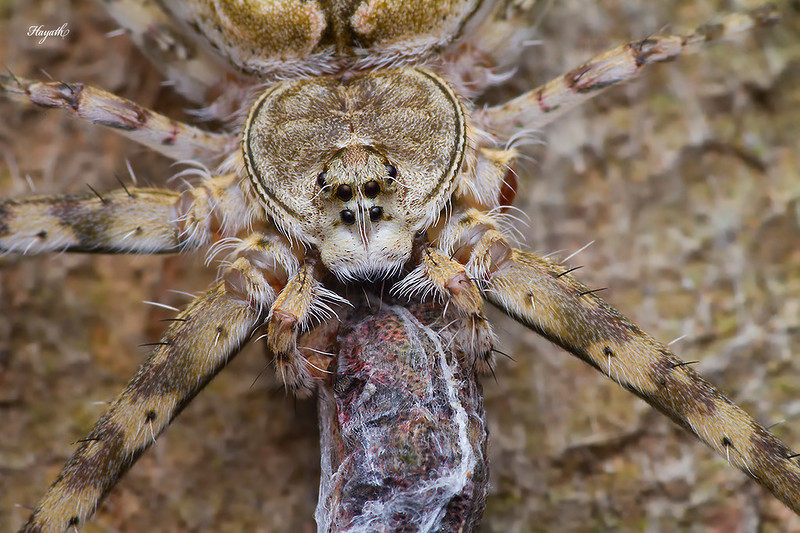
2. Focusing : High magnification requires high precision. Most times the camera is set to the smallest focus area selector possible. Contrast on edges/wings/leaves is often used to lock on AF. In tricky situations, I will switch to MF (have configured the FN1 button for this) and sway the setup to bring things in focus.
Staying as perpendicular to the area of focus one's interested in helps make use of the razor thin DoF to it's max.
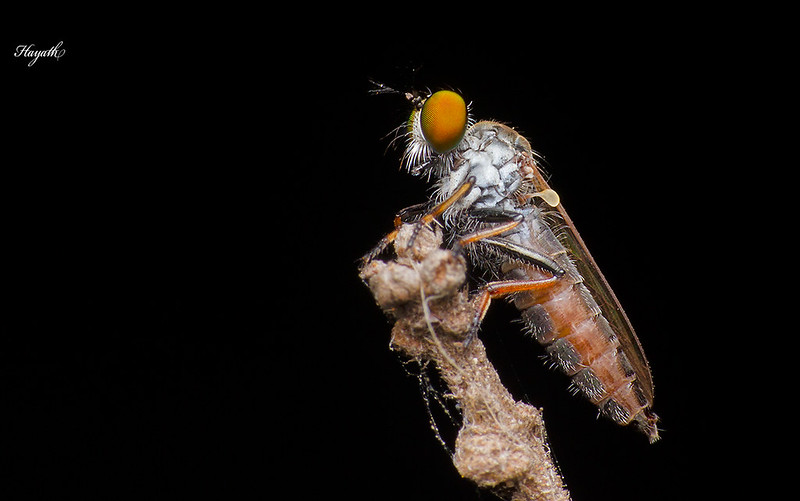
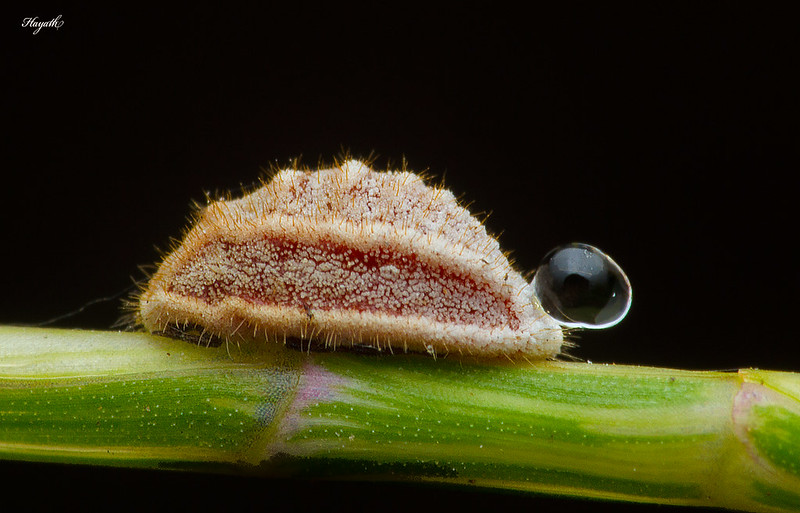
3. Exposure : Plays a critical role in showing detail and right colors/texture. The black background in most of my images is predominantly due to the overall exposure, I shoot what one would call "full flash photography" - if an image is taken at the native exposure, it would essentially go fully black, exposure is defined by the "reach and intensity" of flash. Plus, most of the insects I shoot are found under thick canopy/shade.
My settings generally are ISO 200, 1/160, f10-13, Flash on ETTL with FEC based on subject
External flash helps add microcontrast and also freeze motion to an extent. I also diffuse the light enough to make it soft, that way both highlights and shadows are decently exposed
Earlier thoughts on macro technique and lighting can be found here -
http://iridealone.blogspot.com/2018/04/high-magnification-macro-and-lighting.html
Thoughts on macro photography with lenses already present in your kit -
http://iridealone.blogspot.com/2012/06/macro-for-not-much.html
Link to the simple two stage diffuser -
https://www.flickr.com/photos/hayath/44807796464/
Cheers!
Hayath